

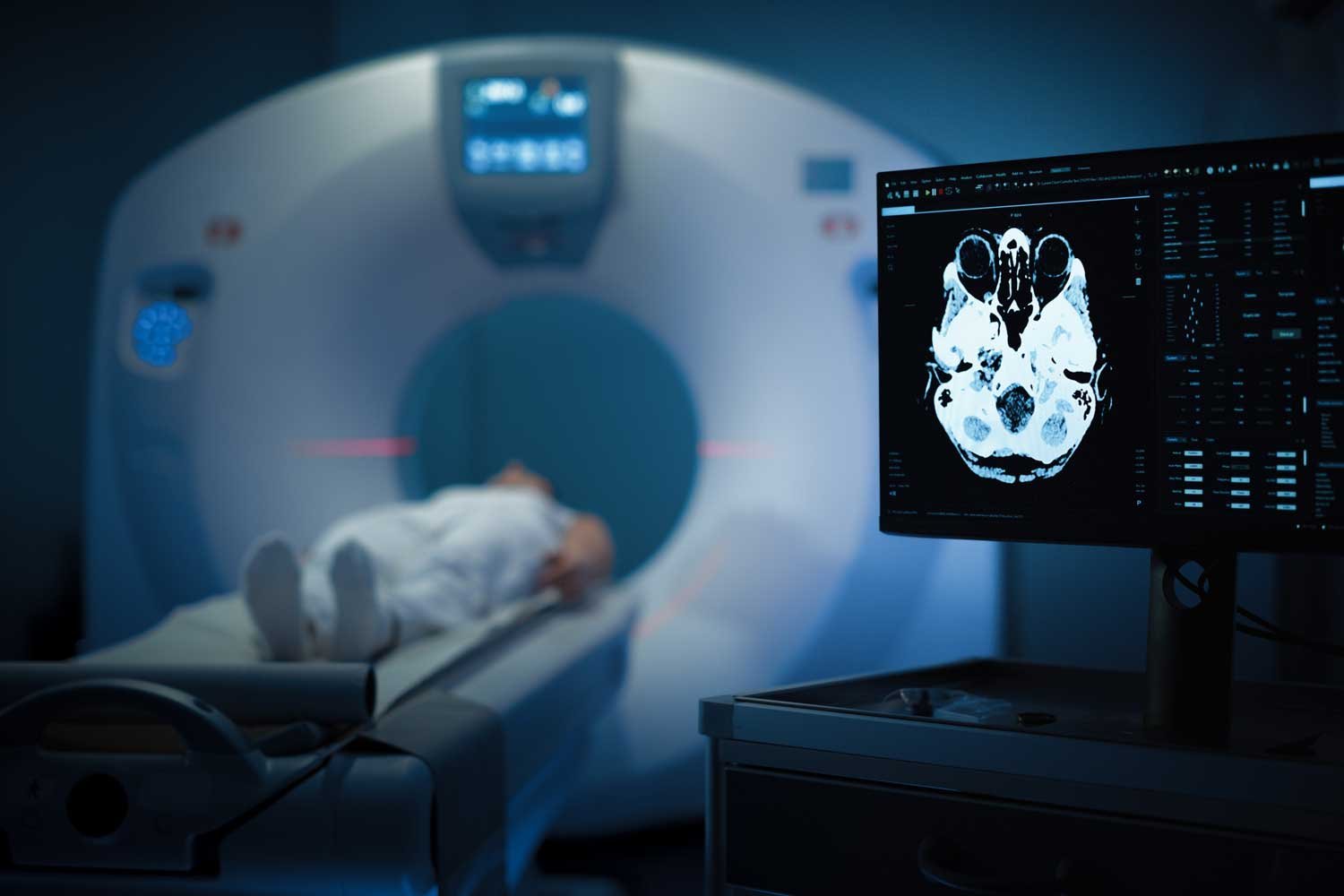
A CT scan (Computed Tomography scan) is a diagnostic imaging technique that uses X-rays and computer processing to create detailed cross-sectional images of the body. It is widely used in modern medicine because it provides more precise information than standard X-rays. Understanding when a CT scan should be done is important, as it helps ensure accurate diagnosis while avoiding unnecessary radiation exposure.
What is a CT Scan?
A CT scan combines multiple X-ray images taken from different angles to produce detailed images of bones, blood vessels, and soft tissues. It is commonly used to examine the brain, chest, abdomen, and other parts of the body. Compared to MRI, CT scans are faster and more accessible, making them particularly useful in emergency situations.
When Should a CT Scan Be Done?
The decision to perform a CT scan depends on the patient’s symptoms, medical history, and the clinical judgment of a doctor. Below are the major situations where a CT scan is recommended:
1. Emergency Situations
One of the most important uses of CT scans is in emergencies because they provide rapid and detailed images.
- Head injuries: A CT scan is often done immediately after a serious head injury to detect bleeding, skull fractures, or brain swelling. It is especially important in suspected cases of traumatic brain injury.
- Stroke symptoms: If a patient shows sudden weakness, speech difficulty, or loss of consciousness, a CT scan helps distinguish between ischemic and hemorrhagic strokes.
- Accidents or trauma: In road traffic accidents or falls, CT scans help identify internal injuries such as organ damage or internal bleeding.
2. Diagnosis of Diseases
CT scans are commonly used to diagnose a wide range of medical conditions.
- Cancer detection: CT scans help identify tumors, determine their size, and assess whether cancer has spread.
- Infections: They are useful in detecting infections such as abscesses in the abdomen or lungs.
- Lung diseases: CT scans are often used to diagnose conditions like COVID-19 complications, pneumonia, and pulmonary embolism.
- Abdominal disorders: Conditions like appendicitis, kidney stones, and liver diseases can be clearly visualized.
3. Persistent or Unexplained Symptoms
Doctors may recommend a CT scan when symptoms cannot be explained by basic tests.
- Chronic headaches not responding to treatment
- Persistent abdominal pain
- Unexplained weight loss
- Ongoing chest pain or breathing difficulty
For example, severe or recurring headaches may require imaging to rule out tumors, bleeding, or structural abnormalities.
4. Monitoring Ongoing Conditions
CT scans are also used to track the progress of known diseases.
- Cancer follow-up: To evaluate how well treatment like chemotherapy or radiation therapy is working.
- Chronic diseases: Monitoring conditions like lung fibrosis or liver disease.
- Post-surgery evaluation: Checking healing and detecting complications after surgery.
5. Guiding Medical Procedures
CT imaging plays a crucial role in guiding certain medical interventions.
- Biopsy procedures: Doctors use CT images to guide needles to the correct location for tissue sampling.
- Drainage of abscesses: Helps accurately locate and drain infected fluid.
- Radiation therapy planning: Ensures precise targeting of tumors.